


Whiskey Tasting Techniques for Beginners
Whiskey tasting is the practice of examining aroma, flavor, and texture to uncover the spirit’s complexity and origin. Technique shifts an ordinary sip into a sensory experience by highlighting notes that can vanish when rushed–nutmeg, dried fruit, or a faint whiff of peat that only emerge in a measured pour between 20 and 30 milliliters. Even someone new to whiskey can notice a jump in detail with small changes, such as letting the glass rest for a minute to open up the nose. Poor technique, like using a tumbler or adding too much ice, often flattens subtle flavors and hides differences between a Highland Scotch and a Kentucky bourbon. With the right approach, even a single bottle can reveal layers missed by casual drinking.
Those who approach whiskey tasting with patience and care often find themselves savoring the ritual as much as the drink itself. After learning to appreciate whiskey with a measured pour and a sensory experience, a person now enjoys more relaxed and attentive evenings, often choosing to unwind further by exploring online slot games during their leisure time. Many are drawn to online slots for the thrill of bonus rounds that can change the pace of play in an instant. This mindful approach continues to reveal new depths in both the glass and the moments that surround it.
Why swirling matters for aroma
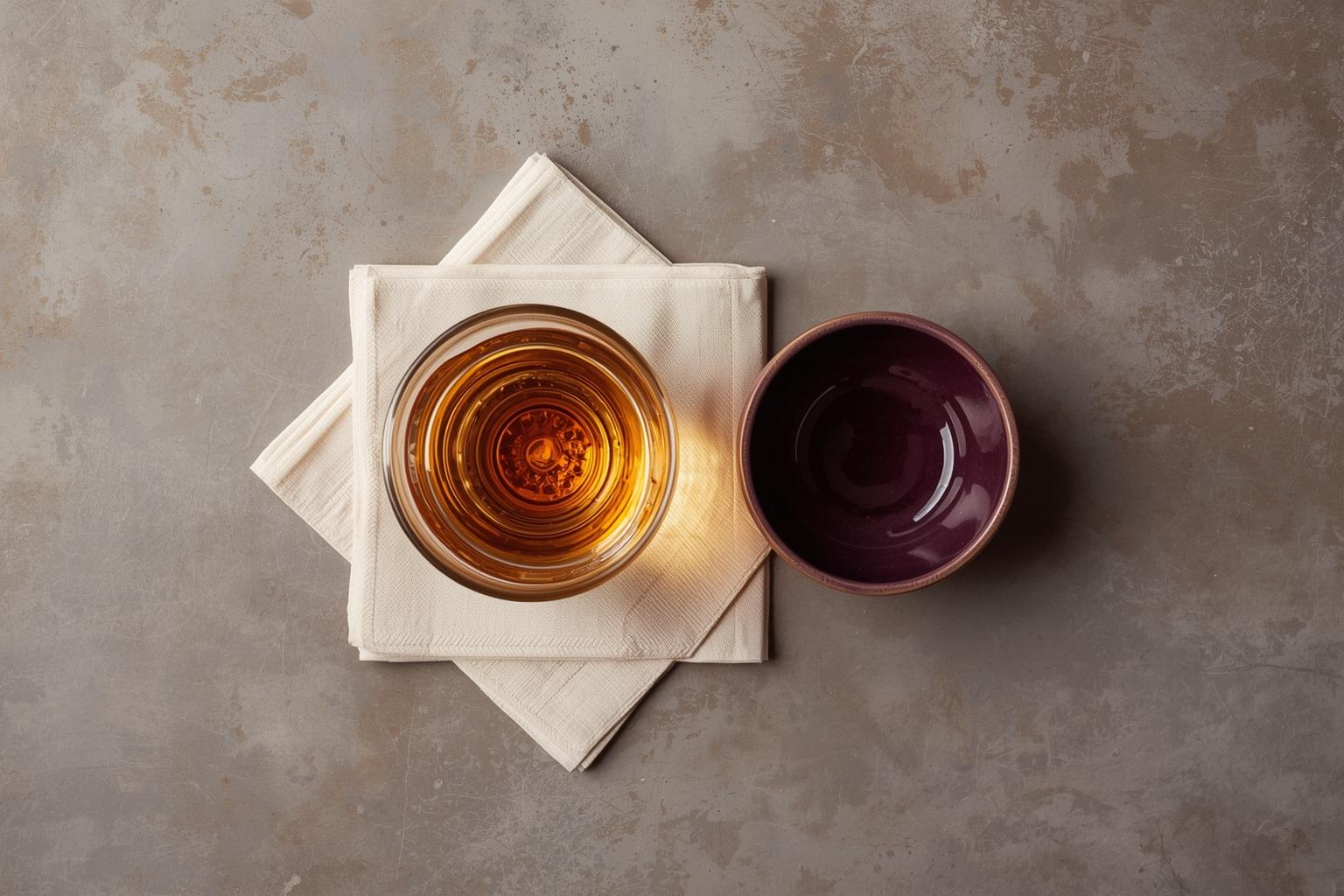
A whiskey glass that sits untouched allows heavier molecules to settle, while lighter aromatics linger near the surface. This separation affects how much of the whiskey's complexity reaches the nose and shifts with simple movement:
- Hold the glass by the stem or base to avoid warming the liquid with your hand.
- Rotate the wrist in a slow, steady circle so the whiskey coats the glass walls but does not slosh violently.
- Pause after two or three revolutions, letting volatile compounds lift into the space above the liquid.
- Bring your nose just above the rim to capture the concentrated layers of aroma released by the swirl.
- Repeat the swirl only if scents seem muted, as excessive agitation can drive off delicate notes.
Missing this step often leads to a muted, one dimensional aroma, with subtle notes left trapped in the liquid. A well timed swirl draws out both sweetness and spice, revealing the full character intended by the distiller.
How glass shape changes the taste
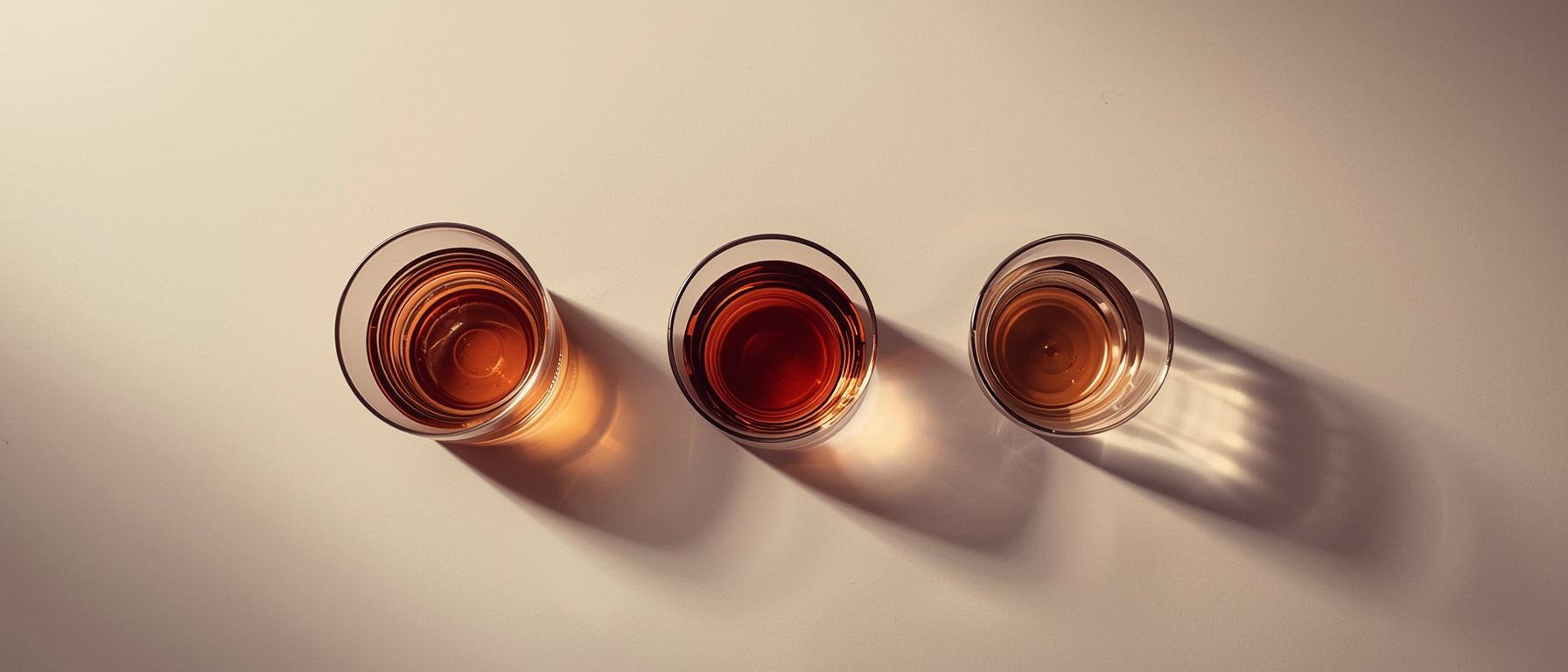
A tulip shaped glass presents whiskey in a way that amplifies its aroma, intensifying the nose and drawing out subtle notes. A tumbler, with its broad opening, allows those same aromas to dissipate quickly, muting the first impression and leaving heavier alcohol vapors more noticeable.
A narrow rim focuses the bouquet, making it possible to catch floral or fruity notes that vanish in a wide-mouthed vessel.
A Glencairn glass often brings out layers of complexity that a standard tumbler simply cannot reveal. The shape that gathers vapors near the nose allows delicate scents to linger, while a wide, open vessel lets them escape almost instantly.
What mistakes ruin a tasting session
Small details can make or break a whiskey tasting session. Using tap water with chlorine, serving whiskey too cold, or selecting overly strong foods can distort delicate aromas. A misstep shifts attention from nuanced flavors to distractions that mask the whiskey’s character.
Using the wrong water type
Mineral content in water changes how whiskey opens up when diluted. Chlorine or strong mineral flavors can mask subtleties, while neutral water lets aromas and sweetness come forward.
| Water type | Mineral content | Effect on whiskey | Common issues |
|---|---|---|---|
| Chilled tap water | High or variable | Flattens aroma, introduces metallic notes | Chlorine or iron overpower delicate flavors |
| Flavored sparkling water | Added flavors, carbonation | Distorts the original profile, masks complexity | Artificial fruit or citrus notes dominate |
| Distilled water | Very low minerals | Preserves whiskey character, softens alcohol | May taste lifeless if overused |
| Bottled spring water | Balanced minerals | Enhances aroma, rounds mouthfeel | Mineral differences shift sweetness perception |
| Soft filtered water | Low, stable minerals | Brings out subtle notes, maintains balance | Rarely introduces off notes |
| Hard well water | High minerals | Creates chalky or soapy aftertaste | Calcium and magnesium dull finish |
Neutral, low mineral water preserves the whiskey’s complexity, while tap or flavored water can overpower or distort it. Room temperature, uncarbonated bottled water with a balanced mineral profile best matches the needs of serious tasting.
Ignoring whiskey temperature
A whiskey poured straight from a sun warmed shelf tastes flat and indistinct, while one served icy from a freezer loses its aroma almost entirely. Temperature shapes the way volatile compounds evaporate, changing both nose and palate in ways that even seasoned tasters can't compensate for. The following temperature pitfalls frequently distort tasting results:
- Ice cold pours – muted alcohol, no fruity esters on the nose
- Room temperature above 25°C – syrupy mouthfeel, exaggerated sweetness, faded spice notes
- Chilled with stones – dulls the finish, masks subtle oak or peat
- Poured from a hot glass – sharp alcoholic burn, no complexity develops
- Between 18°C and 22°C – flavors peak, aromas open in balance
A session with whiskey kept at 18°C to 22°C unlocks full aroma layers, while colder or hotter samples hide their best qualities. Professional tastings often use cellar storage for this reason, letting the whiskey show detail without distraction.
Simple errors like mismatched water or improper glassware can flatten the experience and mute a whiskey’s complexity. Careful choices in preparation and environment reveal the spirit’s full range of tastes and scents.
How to train your palate effectively
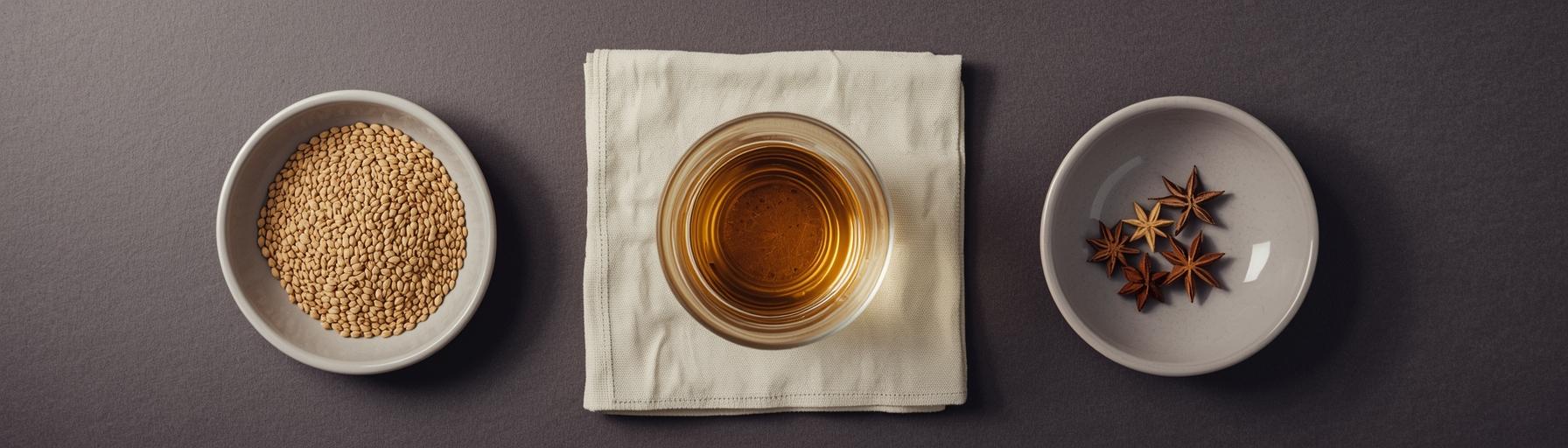
Individual perception of whiskey flavors develops unevenly, with some notes like peat or vanilla emerging quickly and others requiring repetition to notice. Early sessions often blur together, making it difficult to isolate distinct aromas or tastes without structure. Progress comes from consistent habits and specific comparisons:
- Set up side by side tastings with whiskeys that differ by region or cask type to highlight contrast.
- Join group sessions or informal gatherings, since shared impressions often reveal overlooked nuances.
- Record every session in a notebook with date, whiskey details, and top three impressions, even if only general terms come to mind at first.
- Revisit a previously sampled whiskey after a week or more to check if new flavors become apparent or initial impressions change.
- Alternate between higher proof and lower proof samples to train sensitivity to alcohol and underlying complexity.
Stagnation in palate development leads to repeated experiences and missed subtleties, which limits appreciation. Introducing a new whiskey style every month prevents routine and keeps sensory learning active.